
When English Becomes a Bridge: A Teacher’s Story from the West Bank
Rawan Saqfalhett, Universitat Rovira i Virgili (URV), Tarragona, Catalonia, Spain and Palestinian territories
Teaching is one of the hardest, yet most rewarding jobs. It demands preparation, empathy, and the ability to nurture students’ minds and emotions. In particular, teaching languages such as English goes beyond vocabulary and grammar; it is a gateway to culture and connection. However, how can culture and connection to a language such as English be taught in a conflict zone like the West Bank, where the language seems far from the everyday lives of students?
As an English as a Foreign Language (EFL) teacher in the West Bank, I navigate both real and virtual classrooms while balancing safety concerns, limited resources, and the emotional burdens my students carry. “Where there is a will, there is a way” is my mantra for life because, as a teacher, I need to pave the way for my students, sometimes even literally. Each morning begins before sunrise, checking community news to see whether the roads are open or if new movement challenges might prevent us from reaching school. What is normally a ten-minute drive to town can take up to two hours due to checkpoints. Yet, once I enter the classroom, the struggles fade into purpose; I am there to teach, to listen, and to help my students see the world beyond their restricted horizons. The majority have never traveled, but through English lessons, I strive to show them that language can be their passport to hope.
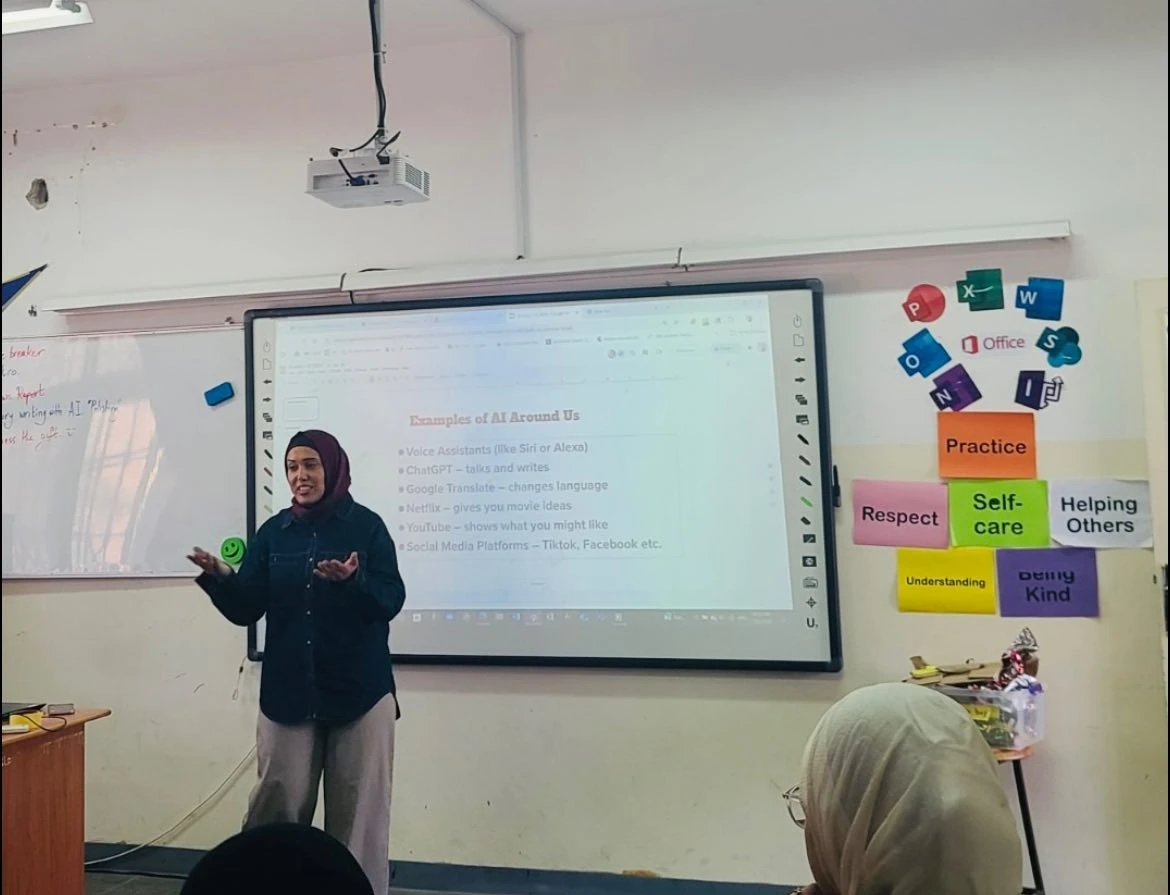
Photo caption: My classroom in the West Bank
In my classroom, English is not only a subject; it is a lifeline that connects us to the world. We read stories about distant countries, exchange letters with students abroad, and even join virtual discussions with classrooms from other continents. My students have established networks with other EFL learners from Peru, Slovakia, and El Salvador. These moments remind me that education, even in the hardest places, remains an act of hope.
Teaching in the West Bank has taught me that determination is not a theory only described in books. It is a daily practice. My students’ circumstances have shaped me into a more empathetic, patient, and globally aware teacher. Every lesson I design aims to help my students develop not only their language skills but also their confidence and global competence. Through international exchange programs and online collaborations, I bring the world to them when they cannot reach out to the world, helping them see that borders cannot limit dreams. As a teacher, I often think of myself as both a bridge and a mirror; bridging my students to global opportunities while reflecting their own strengths to them. Education, for us, is more than instruction; it is a form of peacebuilding through knowledge.
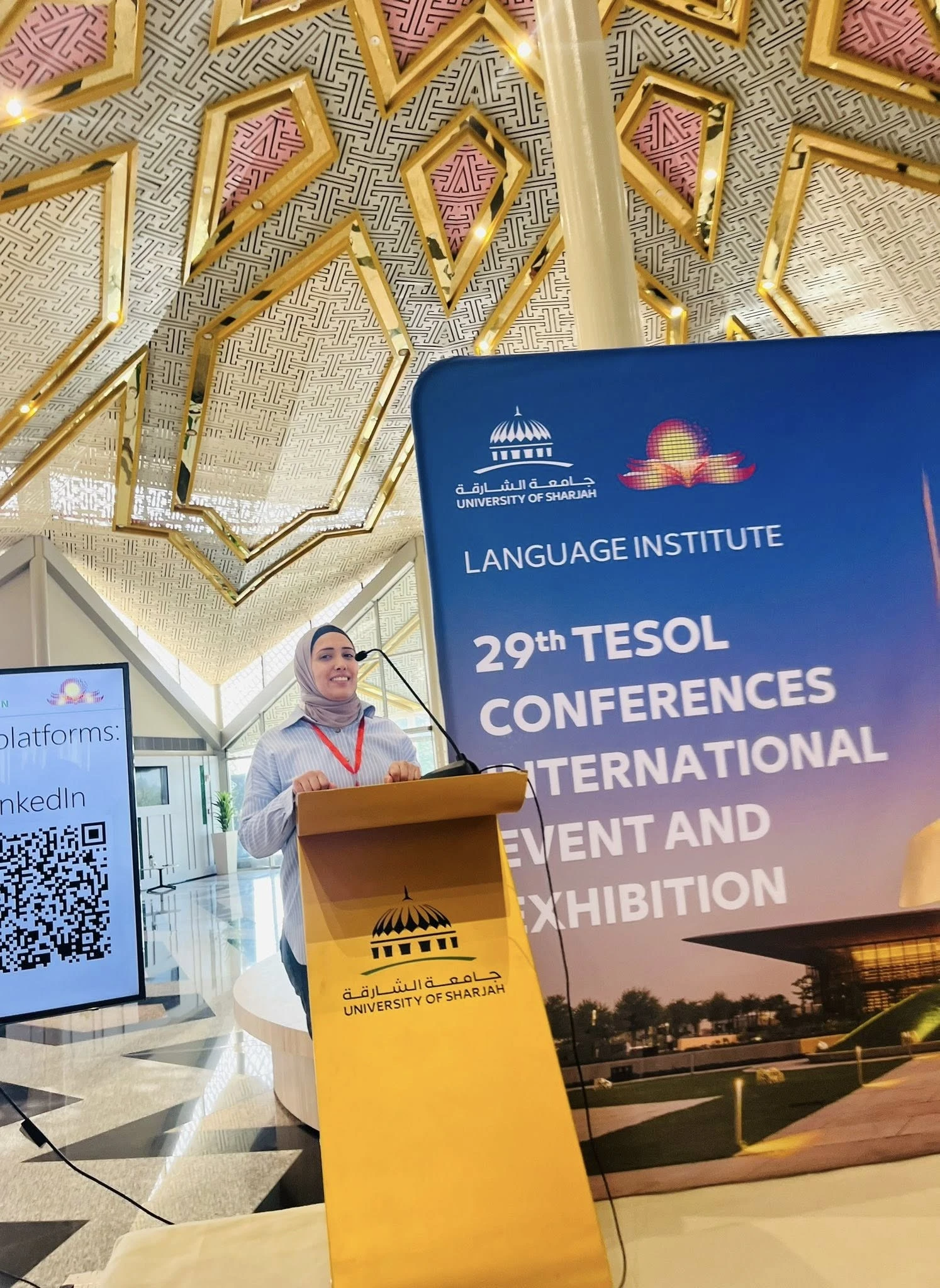
Photo caption: Speaking at a TESOL conference at the University of Sharjah
My journey has transformed me from a local educator into a global teacher. Every international experience, from my professional training in Germany and volunteering in Thailand to presenting at TESOL conferences, has deepened my belief that education must go beyond walls and borders. When I return to my classroom in the West Bank, I bring these experiences back to my students through storytelling, digital exchange projects, and lessons about culture, empathy, and sustainability. My goal is not only to teach English but to teach through English. It is also to help my students express themselves, connect with others, and see their place in the world as active global citizens. Even in a town separated by checkpoints, we manage to build bridges through shared values, respect, and understanding. Being a global teacher means turning challenges into lessons and helping students believe that they, too, can belong to a larger world of learning and peace.
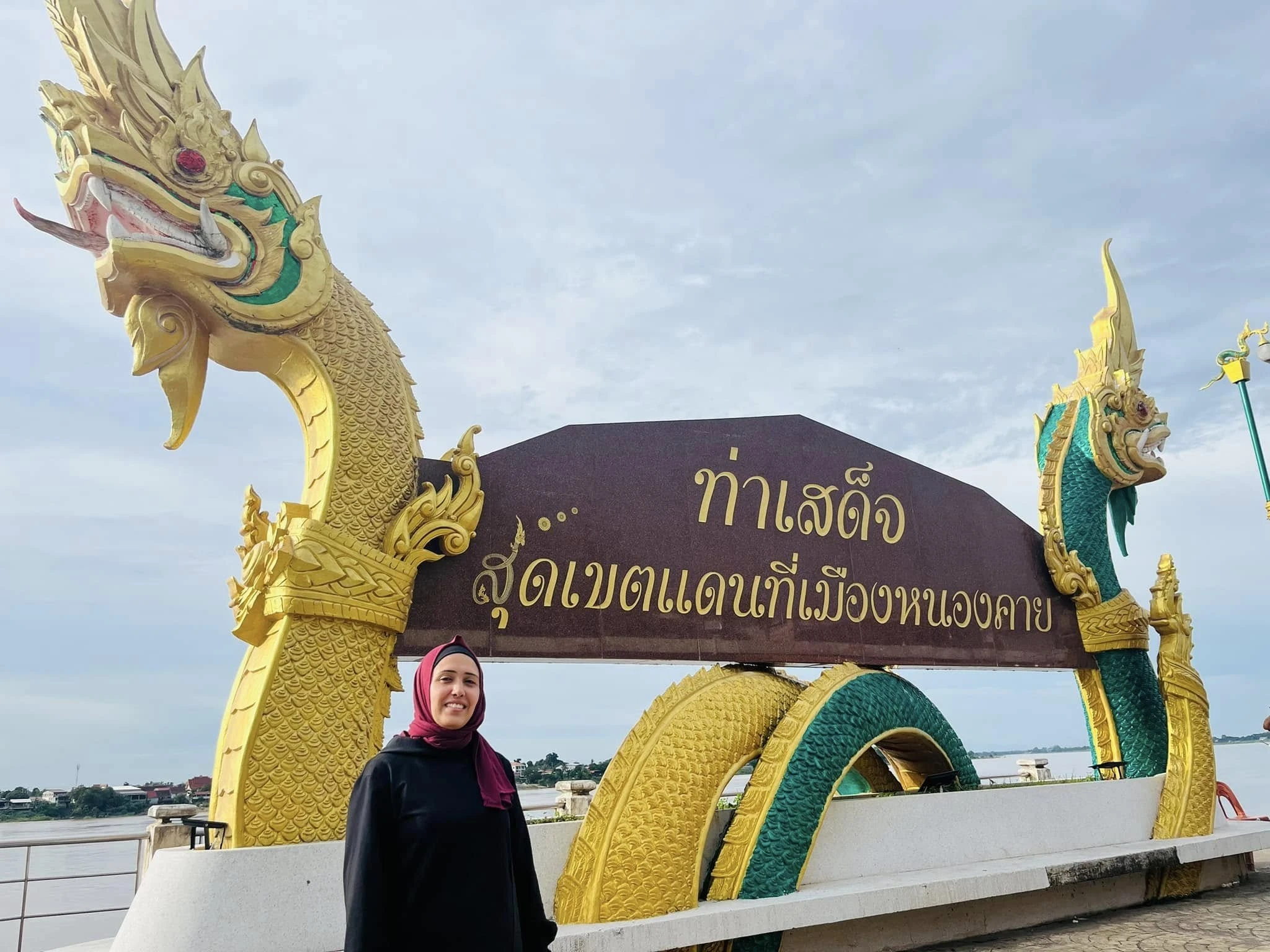
Photo caption: Volunteering as an EFL teacher in Thailand
When the school day finishes, my teaching journey doesn’t stop. After returning home, I step into my second classroom, which is the virtual one. Through my laptop screen, I meet students from other parts of the world who seek connection and learning despite the distance. The shift from the physical to the virtual world requires flexibility and a willingness to learn among teachers. When teaching online, I am reminded that education transcends geography and that technology, when guided by purpose and compassion, can turn isolation into opportunity and empower students to dream beyond the walls that surround them.
Teaching in a conflict area is not only about language instruction. It is about teaching hope, perseverance, and humanity to English learners in some of the most hard-to-reach places. As I stand before my students, whether in the classroom or through a virtual screen, I am reminded that being a teacher is more than a job. It is a calling to make education a force for peace, to open doors where walls exist, and to prove that even in the most challenging places, teachers can still change the world one lesson, one student, and one dream at a time.
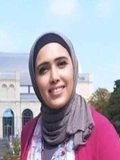 Rawan Saqfalhett is an EFL teacher in a public secondary school in the Palestinian Territories. She has studied English language and literature at the University of An Najah with a minor in American Studies. Rawan holds an MA degree in intercultural communication and is currently pursuing a PhD at Universitat Rovira i Virgili (URV), Spain.