
Academic Session Report
TESOL 2026 Academic Session Report: Self-Regulation and Autonomy in L2 Writing
Ali Yaylali, Eastern Kentucky University, USA
As moderator of this panel, I had the privilege of facilitating a wide‑ranging conversation on how L2 writers develop autonomy and self‑regulation across diverse instructional contexts. Rather than treating autonomy as a fixed trait, our panelists examined the broader ecology of scaffolds—pedagogical, technological, and disciplinary—that shape how learners plan, monitor, and evaluate their writing in the classroom. The presentations spanned mobile task‑based environments that scaffold active engagement, rhetorical comparison activities, empirical evidence on how different forms of feedback influence strategic behavior, and systemic functional linguistics–informed approaches that help multilingual middle‑school writers build confidence and independence in STEM classrooms. These presentations also highlighted that autonomy is not achieved through isolation from tools or teachers, but through intentional design that positions learners as decision‑makers. The Academic Session provided rich insights and pointed toward promising directions for supporting self‑regulation in writing instruction across age groups, proficiency levels, and instructional settings. Below is a short summary of each presentation below.
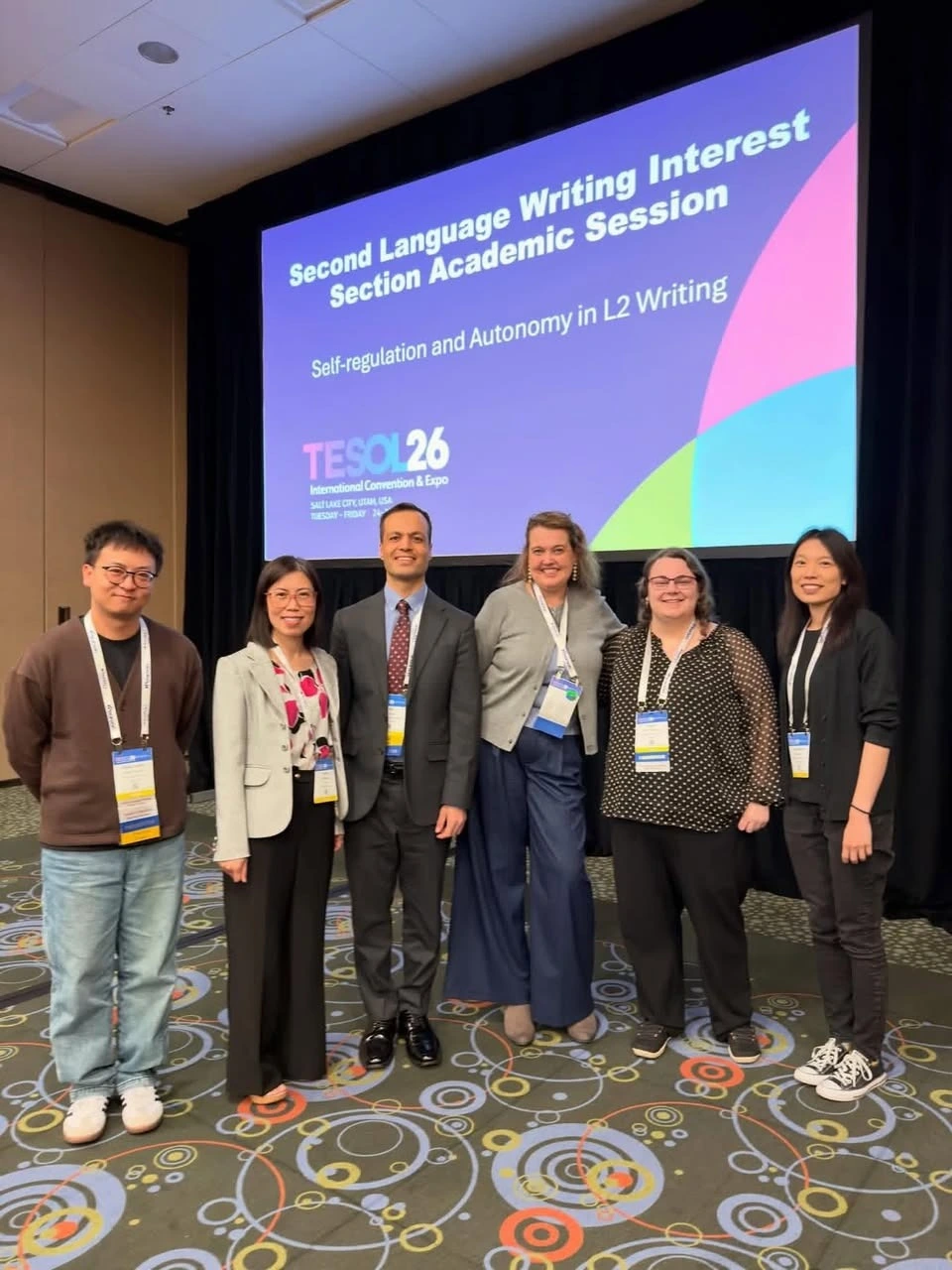
Image 1: Academic Session at TESOL 2026
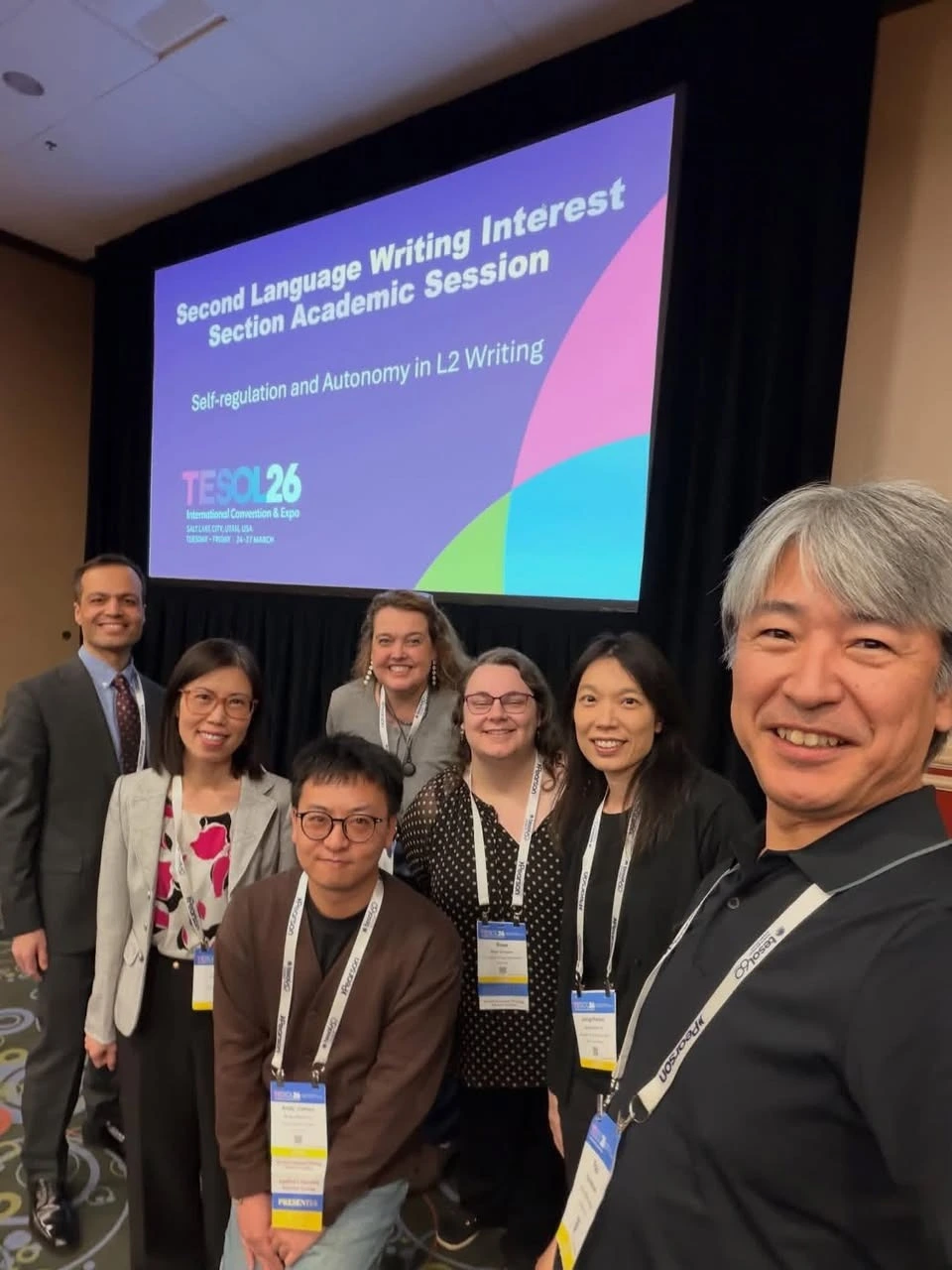
Image 2: Academic Session at TESOL 2026

Ali Yaylali is an Associate Professor in the School of Education at Eastern Kentucky University, USA. His research focuses on K–12 multilingual learner education, with emphasis on corpus‑informed language teaching, secondary writing, and transformative teacher preparation.
Unveiling the Power of AI Feedback in Promoting L2 Learners’ Self-Regulation and Writing Performance
Lin Sophie Teng*, Zhejiang University, China
Self-regulated learning (SRL) refers to the ways that learners systematically activate and sustain their cognitions, motivations, behaviors, and affects, toward the attainment of their goals (Schunk & Greene, 2018), a core competence for L2 teaching/learning and lifelong learning (Bowen & Thomas, 2022; Teng, 2022). In L2 writing, feedback is pivotal to SRL strategy deployment (Clark, 2012), yet the impact of AI-empowered feedback tools (automated writing evaluation, AWE, and AI chatbots) on learners’ writing development and SRL competence remains unclear.
Thus, this study used a quasi-experimental design to examine how two forms of AI-feedback (AWE and GenAI) affected Chinese EFL students’ writing proficiency and SRL competence. The study found that the GenAI feedback optimally promoted the use of SRL strategies and the overall writing proficiency more than the AWE. This positive effect was more obvious for intermediate-proficiency learners. While L2 proficiency levels interacted with the effect of feedback types on writing development, the findings showed that AI feedback affected SRL strategies in L2 writing.
This study yields some pedagogical implications for writing instruction. EFL instructors are encouraged to integrate GenAI chatbots into writing instruction to tackle pedagogical constraints such as tight schedules, large class size, or limited time for individualized feedback on students’ writing. In addition, students’ language proficiency should also be considered when delivering AI feedback to maximize the positive effect of individualized scaffolding. Specifically, GenAI can be used as an essential tool for intermediate-proficiency students during the revision process.

Lin Sophie Teng is a Professor in the Department of Linguistics, Zhejiang University. Her research focuses on L2 writing, self-regulated learning, educational technology, and positive psychology. Her publications appear in top-ranking journals such as Applied Linguistics, Journal of Second Language Writing, Modern Language Journal, Language Teaching Research.
AI-Mediated Task Design: Promoting Active Engagement in L2 Writing
Linh Phung, Eduling, USA
In the current academic landscape, students frequently use Generative AI to draft their work. While over-reliance is a concern, standardized assessments like the IELTS, which require independent essay production, can motivate learners to use AI to develop skills needed for their exams. This case study of five Vietnamese learners explores how EdulingAI, a specially designed dialogue agent for task-based language teaching, scaffolds this development on a mobile app.
Rather than producing a single 250-word essay, the task (Figure 1) was segmented into manageable steps: introduction, advantages, disadvantages, and conclusion. By breaking the task down, EdulingAI guided learners through specific steps like brainstorming, drafting, and revising. Learners were highly engaged in producing language and examining the feedback, and responded positively to the task and the chatbot.
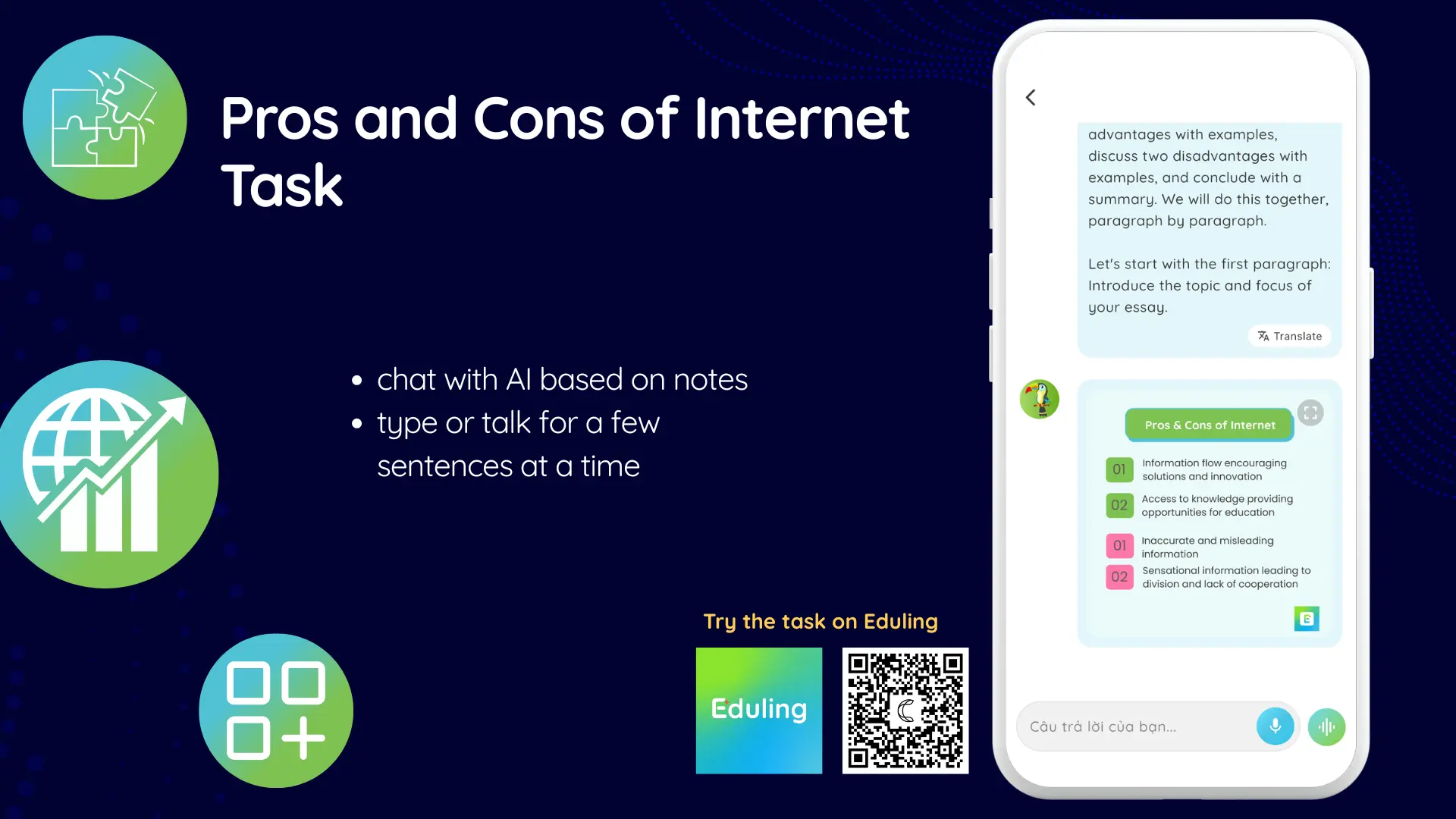
Figure 1: The Pros and Cons of Internet Task on Eduling
Learning Opportunities
Through interviews and screenshots shared by the five learners, the study identified several key learning opportunities provided by EdulingAI, which enables multi-modal task-based interactions with the learner to achieve task goals. The results discussed here were obtained using EdulingAI; consumer AI models may not necessarily produce similar results.
-
Negotiation of Meaning: When student input was unclear, the AI prompted for clarification by asking questions such as “What do you mean by …?”, which prompted the learner to rephrase the utterance.
-
Corrective Feedback: The AI flexibly offered recasts and explicit corrections on spelling, grammar, vocabulary, and clarity of the responses.
-
Linguistic Upgrades: Students appreciated "vocabulary upgrades," such as the AI suggesting "purchase" instead of "buy" as feedback to a response.
-
Detailed Elaboration: Prompts encouraged students to provide specific examples and reasons to support their ideas.
Support for Autonomous Learning
The mobile-first design fostered autonomous learning by removing traditional barriers. Key affordances as noted by the participants included:
-
Reduced Research Time: Students brainstormed ideas for unfamiliar topics more efficiently.
-
Immediate Correction: Explicit feedback allowed students to identify and fix errors instantly without waiting for a teacher.
-
Accessibility: The convenience of studying "on the go" supported independent practice.
Conclusion
The study demonstrates that with interactive task design, students do not rely on AI to write for them; instead, they use their own linguistic resources and engage actively with feedback, which is important for second language writing development (Zhang & Hyland, 2022). By aligning task design with student motivation, specifically the need to develop skills for independent exams, educators can promote beneficial engagement with learning activities and technology. As noted by Marta Gonzalez-Lloret in a March 2026 interview on The Language Innovators Podcast, the rapid development of these tools offers significant possibilities for autonomous learning. "Then why not?"
 Dr. Linh Phung, Founder of Eduling, is a language educator and researcher with papers published in high impact journals, including Language Teaching Research and Studies in Second Language Acquisition. Her professional experience also involves working as the Director of the English Language Program at Chatham University for 12 years and serving as an English Language Specialist with the U.S. Department of State.
AI as Rhetorical Mirror: Supporting Autonomy through Decision-Making in Multilingual Writing
Jung-Hsien Lin, University of California, Irvine, USA
As generative artificial intelligence (GenAI) becomes increasingly integrated into second language (L2) writing classrooms, questions arise regarding its impact on learner autonomy and self-regulation. Rather than framing GenAI as a tool that either enhances or diminishes student agency, this session explored how AI-mediated writing environments can make students’ decision-making processes more visible.
Drawing on a bilingual first-year writing course, the presentation introduced the concept of AI as a rhetorical mirror. In this approach, GenAI is not used to generate final drafts but to produce alternative versions of student writing. These alternatives allow students to compare differences in meaning, tone, genre, and argumentation, prompting them to evaluate and justify their rhetorical choices. Three classroom activities illustrated this framework. First, students engaged in comparative summary tasks, evaluating their own summaries alongside AI-generated versions to assess accuracy and meaning. Second, students transformed summary-response essays into op-eds using AI-generated suggestions, encouraging them to reconsider audience and genre conventions. Third, a “thesis machine” activity invited students to evaluate whether AI-generated thesis statements accurately represented their intended argument and stance.
Across these activities, students were required to explain their decisions, including why they chose to keep, modify, or reject AI-generated content. These reflective practices align with research on self-regulated learning, which emphasizes planning, monitoring, and evaluation as key processes in writing development (Teng & Zhang, 2018; Zimmerman, 2002). Such moments of explanation are where self-regulation becomes visible.
Preliminary observations from student reflections suggest that this approach supports greater awareness of rhetorical choices and encourages more deliberate engagement with revision. Rather than relying on AI as a source of correct answers, students learn to use it as a tool for comparison and critical evaluation.
For instructors, this approach highlights the importance of designing tasks that foreground decision-making rather than production. By foregrounding evaluation and reflection, AI can support autonomy—not as independence from tools, but as an active process of making choices.

Dr. Jung-Hsien Lin is Director of the Intercultural Communication Lab and Assistant Director and Lecturer in Global Languages and Cultures at the University of California, Irvine. Her research focuses on multilingual literacy, emerging technologies, and multimodal composition. She develops inclusive curricula and assignments that integrate critical digital tools to support reflective, self-regulated learning in multilingual writing classrooms.
Developing Autonomy and Self-Regulation Among Middle-Level Students
Rose O’Connor, Christina Ortmeier-Hooper, & Olesia Pavlenko, University of New Hampshire, USA
In our presentation entitled Developing Autonomy with ML Writers in Middle School STEM/LA Classrooms, we demonstrated how a modified teaching/learning cycle can help multilingual middle-grade students develop self-regulation and autonomy practices in their writing. These findings emerged from a larger, interdisciplinary research project called STEM–Language Arts Teaching/Learning Ecosystems (SLATE), a five-year grant at the University of New Hampshire, funded by the U.S. Department of Education’s Early-phase Education, Innovation, and Research Program. SLATE is partnered with middle school districts and teachers in cities in the northeastern United States to support multilingual middle-grade teachers and students by integrating STEM learning and inquiry, near-peer tutoring, and teacher professional learning in teaching writing. SLATE teachers learn to implement a modified teaching/learning cycle based on systemic functional linguistics (SFL), a method that involves textual deconstruction, attention to linguistic and genre features, and joint and independent reconstruction.
In this presentation, we illustrated how the approach aids student writers in developing self-regulation and autonomy by building genre awareness, encouraging peer interaction and feedback, and establishing a safe, collaborative learning environment (Brisk, 2020; Gebhard & Harmon, 2011; Ortmeier-Hooper, 2017). The presentation included analysis of a multilingual student’s writing from a SLATE classroom to illustrate how the student’s development (specifically through their improved grasp of genre conventions, increased audience awareness, and precise language use) indicated measurable improvements in self-regulation and autonomy through SLATE teachers’ use of the modified SFL method.
Drawing on broader findings of SLATE and the case study in the presentation, we argue that teacher professional learning in writing instruction continues to be an underresourced need in K-12 schools, particularly across the content areas. Further, we see promise in SFL approaches to address how educators can help student writers develop confidence and skills in self-regulation and autonomy through a series of coordinated strategies. We highlight the need for teachers to make writing practices more transparent and transferable through the use of mentor texts, the development of a shared writing vocabulary across content areas, and more practice in discussions about writing and writing strategies. We recommend teachers employ guided practice methods like SFL which help foster safe writing environments, build meaningful writing habits, and support transfer of knowledge and skills across contexts. Finally, our wider research findings indicate that professional learning opportunities for educators should prioritize new approaches as well as academic year support that helps them develop and sustain new teaching practices.

Rose O’Connor is a third-year Ph.D. student in Composition Studies at the University of New Hampshire. She earned her M.A. in English from Boston College and her MFA in Creative Writing from UW Bothell. Her research interests include multilingual writing, writing in the academy, and first-year writing.
 Christina Ortmeier-Hooper, an Associate Professor at the University of New Hampshire, studies ML writers as they navigate writing and reading in secondary schools and beyond. She has authored The ELL Writer: Moving Beyond Basics (2013) and Writing Across Language and Culture (2017), as well as various edited collections and articles.
 Olesia Pavlenko is a third-year Ph.D. student in Education at the University of New Hampshire. She holds an M.A. in TESL from Kent State University. Her research focuses on educational equity, technology-enhanced instruction, and multimodal learning across K–12 and higher education contexts.
References
Bowen, N. E. J. A., & Thomas, N. (2022). Self-regulated learning and knowledge blindness: Bringing language into view. Applied Linguistics, 43(6), 1207–1216. https://doi.org/10.1093/applin/amac062
Brisk, M. E. (2020). Language in writing instruction: Enhancing literacy in grades 3-8. Routledge.
Clark, I. (2012). Formative assessment: Assessment is for self-regulated learning. Educational Psychology Review, 24(2), 205–249. https://doi.org/10.1007/s10648-011-9191-6
Gebhard, M., & Harman, R. (2011). Reconsidering genre theory in K-12 schools: A response to school reforms in the United States. Journal of Second Language Writing, 20(1), 45-55.
Ortmeier-Hooper, C. (2017). Writing across culture and language: Inclusive strategies for working with ELL writers in the ELA classroom. National Council of Teachers of English (NCTE) Press.
Schunk, D. H., & Greene, J. A. (Eds.). (2018). Handbook of self-regulation of learning and performance (2nd ed.). Routledge.
Teng, L. S. (2022). Self-regulated learning and second language writing: Fostering strategic language learners. Springer.
*Teng, L. S., Deng, X., & Yang, J. (2026). Can GenAI-empowered feedback promote L2 learners’ self-regulation strategic behavior and writing performance? System, 138, 103970 . https://doi.org/10.1016/j.system.2026.103970
Teng, L. S., & Zhang, L. J. (2018). Effects of motivational regulation strategies on writing performance: A mediation model of self-regulated learning of writing in English as a second/foreign language. Metacognition and Learning, 13(2), 213–240. https://doi.org/10.1007/s11409-017-9171-4
Zhang, Z., & Hyland, K. (2022). Fostering student engagement with feedback: An integrated approach. Assessing Writing, 51, 100586. https://doi.org/10.1016/j.asw.2021.100586
Zimmerman, B. J. (2002). Becoming a self-regulated learner: An overview. Theory Into Practice, 41(2), 64–70. https://doi.org/10.1207/s15430421tip4102_2