
Letter from the Editors
Ali Yaylali, Eastern Kentucky University, USA
Bakheet S. Almatrafi, Umm Al-Qura University, Saudi Arabia
Stefan M. Vogel, University at Albany, SUNY, USA
Dear SLWIS members,
We are very excited to share the fall issue of SLW News, which features research- and practice-oriented contributions from a range of writing contexts. The issue also includes a letter from the current SLWIS Chair, Dr. Svetlana Koltovskaia. In her letter, Dr. Koltovskaia provides updates on our past SLWIS activities, including our webinar on developing feedback literacy among teachers of L2 writing with Dr. Icy Lee (Nanyang Technological University), as well as our book club session on multimodal composition with Dr. Santosh Khadka (California State University Northridge). The letter also shares information on both our upcoming academic session and the intersession scheduled to take place at TESOL 2025 in Long Beach, California.
In the Research Brief section of this issue, Dr. Abdu Al-Kadi (Bergen University) shares a study conducted in Yemen which sheds light on the relationship between L1 writing and L2 English writing. The article advocates for viewing college students' Arabic L1 writing skills as valuable assets that can enhance their L2 English writing abilities.
In the Advice From Practitioners section, Dr. Jaime F. Mejia Mayorga (University of Arizona) shares his experiences and teaching ideas to support multilingual writers. Arguing that writing classrooms can promote linguistic diversity, he focuses on the positive learning experiences of students in U.S.-based college writing classes that used corpus-based materials and presents learner writing samples that can inform writing instruction (such as through genre analysis).
In the Bridging Research and Pedagogy section, PhD candidate Aniqa Shah (University of Arizona) shares an insightful review of a research article that discusses the combined effects of automated writing feedback and instructor feedback on college students’ self-efficacy, anxiety, and writing development at a university in Turkey. This review reminds us of the affordances of technological tools in supporting writing instructors and students through prompt and automated feedback.
Finally, don’t skip our Meet the Experts interview with Dr. Karen Barto (University of Arizona), a bilingual writing expert, SLA book author, and a researcher who works in the University of Arizona’s Writing Skills Improvement Program.
We hope you enjoy reading the wonderful submissions to the issue and will consider contributing to the SLW community with your practitioner and/or research experiences in the future.
Warm regards,
Ali Yaylali
Bahkeet S. Almatrafi
Stefan Vogel
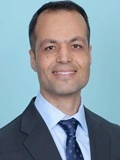 Ali Yaylali is an Assistant professor in the Department of Teaching, Learning, and Educational Leadership at Eastern Kentucky University. He received his PhD in Language, Reading, and Culture at the University Arizona. He is the past president of Arizona TESOL and an active member of TESOL, serving in the Awards Professional Council and SLW Interest Section. He is also a recipient of the TESOL Leadership Mentoring Award. His research interests include second language writing, corpus-based language teaching, disciplinary language and literacies, transformative learning in teacher education, and mentoring doctoral writers.
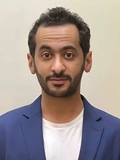 Bakheet S. Almatrafi holds a PhD in Applied Linguistics from the University of Memphis. He currently teaches at Umm Al-Qura University in Saudi Arabia. His research centers around L2 writing, multilingualism and language ideology.
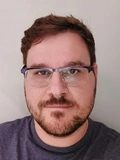 Stefan M. Vogel is a Lecturer at the University at Albany, SUNY, where he teaches in the Writing and Critical Inquiry program. He holds a PhD in Second Language Acquisition and Teaching from the University of Arizona. His primary areas of specialization are in second language writing, L2 teacher education, and program administration and leadership.