
Letter from the Chair
Nelli Bondareva, University of the People, Pasadena, US
Dear colleagues,
One of the greatest joys of serving as Chair of the Bilingual-Multilingual Education Interest Section is being surrounded by colleagues whose care for multilingual learners reaches far beyond their own classrooms. I feel fortunate to work alongside such inspiring members of our B-MEIS team. Your willingness to share your knowledge, make time for one another, and ask difficult questions with generosity makes this community a meaningful place to belong. It is with that gratitude that I welcome you to the Fall 2026 issue of Multilingual Connections.
Our annual theme, “Multilingual Education in the AI Era,” invites us to consider how emerging technologies are changing the experiences of the people we teach. In our call for proposals, we asked contributors to look closely at the possibilities of AI alongside questions of representation, access, identity, and participation. We wanted to hear what happens when these technologies meet the complexity of real classrooms and communities, especially those whose languages and experiences are too often overlooked.
For B-MEIS, these questions grow naturally from our commitment to sustaining learners’ full linguistic repertoires. A home language carries family stories, familiar expressions, and ways of understanding the world. García and Wei’s (2014) work on translanguaging offers a valuable foundation for recognizing how multilingual people draw on their linguistic resources to learn and make meaning. As we explore new tools, we must keep making room for learners to use those resources with confidence and ownership.
The contributors to this issue bring that commitment into thoughtful conversation with AI. Alothman and Milman emphasize the professional judgment educators need to use generative AI responsibly. Sarmiento Quezada asks us to consider whether multilingual output actually creates space for learners’ own meaning-making. Kavaklı Ulutaş examines what may be lost when automated correction becomes routine, while Anandana Kapur reminds us that community knowledge belongs at the center of decisions about multilingual technologies. Together, these contributions invite us to notice whose choices shape learning and whose voices remain audible.
I find encouragement in the care behind these questions. We can welcome opportunities to make materials more accessible and communication more inclusive while examining whether our choices serve the learners before us. UNESCO’s guidance similarly places human agency and equitable, meaningful educational use at the center of generative AI integration (Miao & Holmes, 2023). For our community, that means making space for teachers’ expertise and listening to learners and families as we decide what helpful support looks like.
I extend my heartfelt thanks to Laura B. Liu and Kirti Kapur for their editorial work, to every author who has contributed to this issue, and to our leadership team and members who sustain B-MEIS throughout the year. The time you give to a manuscript, a webinar, or a conversation with a colleague helps turn a shared professional interest into a supportive community. Much of that work happens quietly, and I want you to know how deeply it is appreciated.
As you read, I invite you to bring these conversations into your own settings. Share an article with a colleague, join one of our webinars, or tell us about a question emerging in your classroom. I especially welcome the perspectives of members working in community programs, heritage language education, and settings with limited resources. Whether you are a longtime member or joining us for the first time, your experience can help someone else see a possibility they had not considered.
Thank you for the care you bring to multilingual education and to one another. My hope is that this issue leaves you feeling both thoughtfully challenged and warmly connected to colleagues who share your commitment. It is an honor to serve as your Chair and to continue learning alongside you.
With warm appreciation,
Nelli Bondareva
Chair, Bilingual-Multilingual Education Interest Section TESOL International Association
References
García, O., & Wei, L. (2014). Translanguaging: Language, bilingualism and education. Palgrave Macmillan. https://doi.org/10.1057/9781137385765
Miao, F., & Holmes, W. (2023). Guidance for generative AI in education and research. UNESCO. https://unesdoc.unesco.org/ark:/48223/pf0000386693
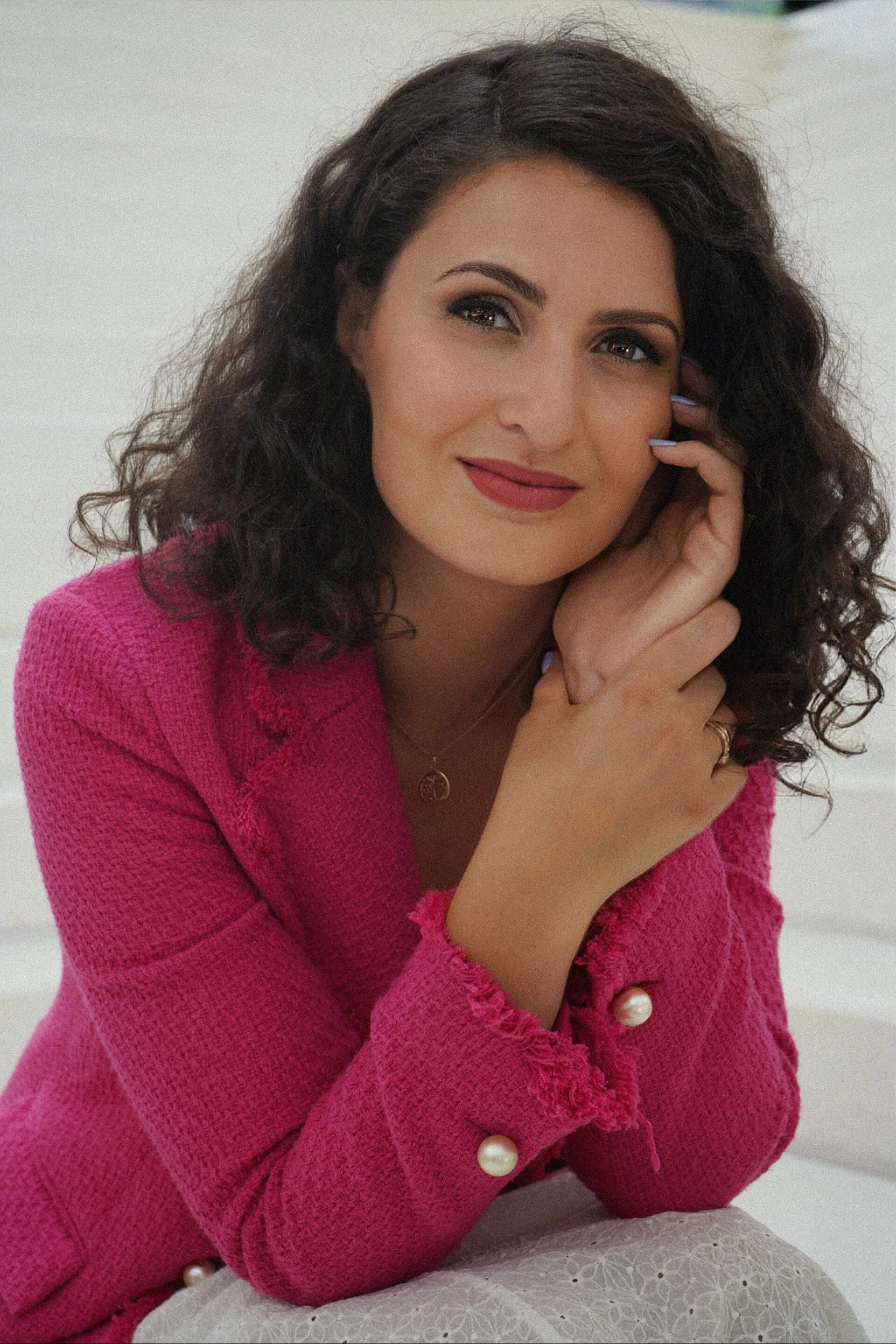 Nelli Bondareva is an English language educator, literacy specialist, and independent researcher with teaching experience in Armenia, Russia, China, and the United States. She designs literature-rich, student-centered lessons that build global competence and a love for reading. Nelli shares her work through conferences and publications, focusing on heritage language maintenance, translanguaging, and innovative approaches to literacy development for multilingual learners.